Home / Guides / Incense Types Explained: Sticks, Cones, Resins and More
Guide
Incense Types Explained: Sticks, Cones, Resins and More
Incense comes in several main forms: sticks with a bamboo core, coreless sticks and dhoop, cones (including backflow cones), loose resins burned on charcoal, and herb bundles for smoke cleansing. Sticks are the easiest place to start. Resins are the oldest and richest, and backflow cones are the most decorative. This guide explains each type, the traditional associations of popular scents and how to burn incense safely.
Types of incense
Stick (masala) incense
A bamboo core rolled in a paste of resin, wood and herbs, the classic Indian style. It is easy to use and burns for 30–60 minutes.
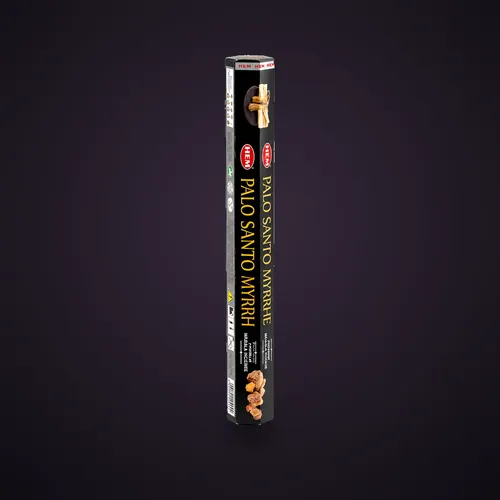
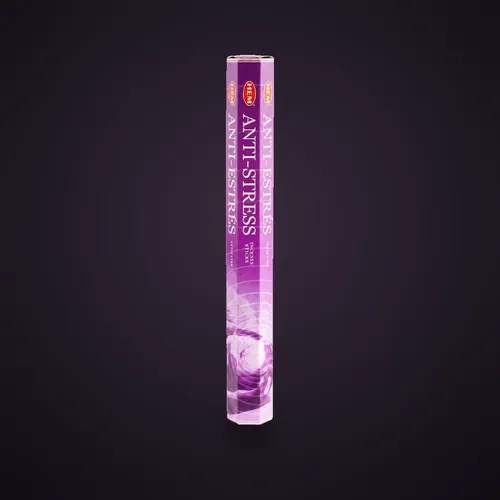
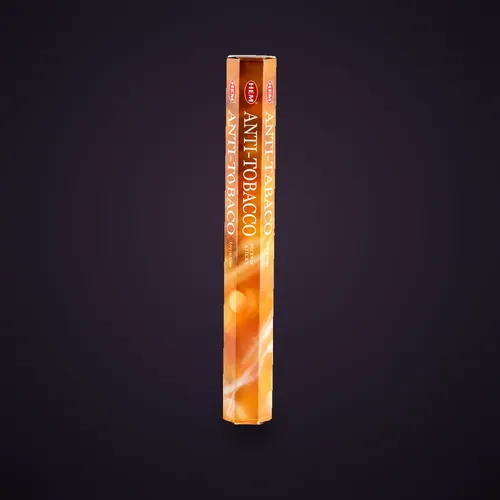
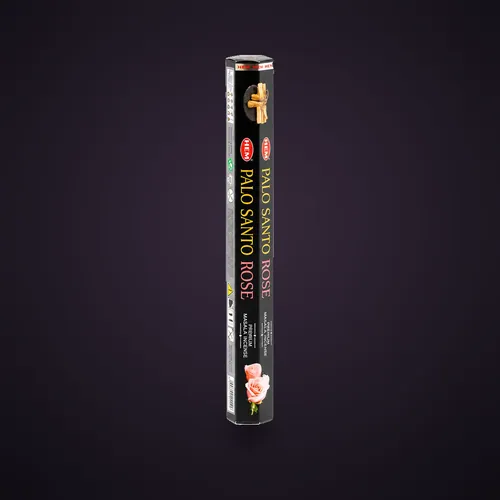
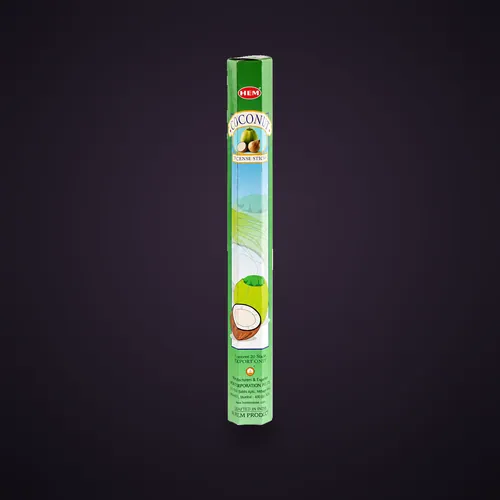
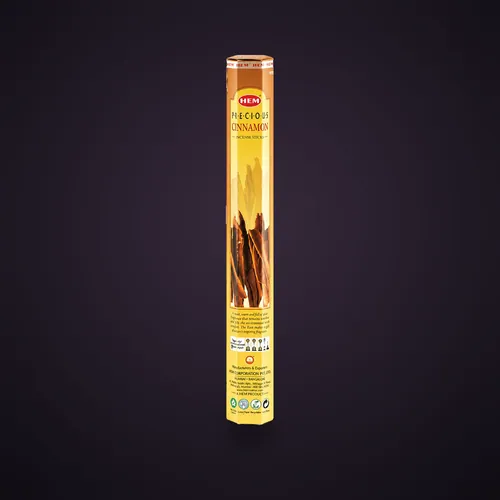
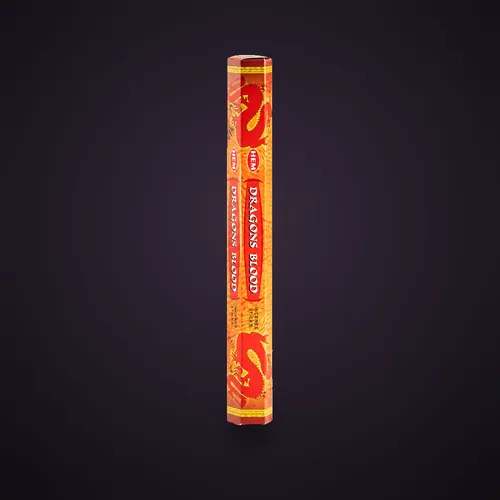
Hexagonal (HEM-style) sticks
Hand-rolled Indian sticks sold in six-sided packs, in a wide range of scents.
Cones
Compressed incense that burns quicker and more strongly. Backflow cones make the smoke fall like a waterfall in a special burner.
Resins
Frankincense, myrrh, copal and dragon's blood, burned on a charcoal disc or a mesh burner. This is the oldest form, used in temples and churches for millennia.
Dhoop and coreless sticks
No bamboo core, often denser and earthier.
Smudge sticks and bundles
Dried herb bundles such as white sage, rosemary or lavender, burned for smoke cleansing. White sage smudging is a Native American practice, so many people now choose locally grown herbs as a respectful alternative.
Palo santo
A South American wood with a sweet, resinous smoke. Buy from sources that only collect naturally fallen wood.
Japanese incense
Low-smoke sticks without bamboo cores, often subtle and woody.
Popular scents and their traditions
Frankincense
Traditionally used for temple, church, meditation.
Myrrh
Traditionally used for ancestor work, winter rites.
Sandalwood
Traditionally used for calm, devotional, a classic base note.
Dragon's blood
Traditionally used for protection, Samhain and gothic altars.
Nag champa
Traditionally used for the classic Indian 'head shop' scent, sweet and floral.
Lavender
Traditionally used for rest and bedtime rituals.
Patchouli
Traditionally used for earthy, grounding, a 1960s favourite.
Rose
Traditionally used for love, Beltane and self-care.
Cinnamon
Traditionally used for warmth, prosperity, Yule.
White sage
Traditionally used for cleansing (see the note on sourcing above).
Jasmine
Traditionally used for moon rituals, night.
Vanilla
Traditionally used for comfort, sweetness, Imbolc.
Burners and holders
Ash catchers
Long wooden or ceramic boards that catch falling ash from sticks.
Cone dishes
Heat-proof dishes, often filled with sand, to stand a cone on.
Backflow burners
Sculpted burners with channels that make the smoke flow down over the shape like water.
Censers and charcoal
For resins: a heat-proof bowl of sand with a charcoal disc, or a mesh burner over a tea light.
Burning incense safely
Burn incense on a heat-proof surface in a ventilated room, away from curtains, children and pets, and never leave it unattended. Smoke from any burning material can irritate the airways, so open a window and stop if it bothers you. UK delivery is £3.95, free on orders over £40, and usually takes 2–5 working days.
Choosing incense for a room
- Small rooms: choose mild scents (sandalwood, lotus) and short sticks.
- Large rooms: cones and resins give stronger scent.
- Bedrooms: burn before bed and ventilate; never sleep with incense lit.
- Meditation: a scent you only use for practice becomes a cue to settle.
Masala, charcoal and dipped sticks
Masala sticks (like nag champa) are hand-rolled with a paste of resins and spices. Charcoal sticks are dipped in fragrance oil and are often stronger and cheaper. Resin on charcoal discs gives the purest scent but takes more care.
How long incense lasts
A standard stick burns for 30 to 60 minutes, a cone for 15 to 25, a backflow cone for about 15. Keep incense in a closed box away from damp and it will last for years.
Backflow burners
Backflow cones have a hole underneath so the smoke falls like water down the burner. Use backflow cones only, and set the burner on a flat surface away from draughts.
Incense around pets
Birds, cats and dogs are sensitive to smoke. Burn incense in a room they can leave, open a window, and avoid burning it near birds altogether.
A short history of incense
Incense has been burned for at least 5,000 years. Egyptian temples burned kyphi, a blend of resins, honey and wine. The Incense Route carried frankincense and myrrh from southern Arabia to Rome. In Japan, kōdō, the 'way of incense', became a refined art of appreciating fragrant woods. Stick incense as we know it comes mainly from India and China.
Storing incense
Keep it in a closed tin or box away from damp and sunlight.
Incense A–Z at a glance
| Scent | What it is | Smell |
|---|---|---|
| Frankincense | The dried resin of Boswellia trees | A bright, clean, slightly lemony and piney smoke |
| Myrrh | The dried resin of Commiphora trees | A warm, bitter-sweet, earthy smoke |
| Sandalwood | The fragrant heartwood of Santalum trees | A soft, creamy, woody scent |
| Nag champa | An Indian masala incense made with halmaddi resin, sandalwood and champak flower | Sweet, powdery and floral with a sandalwood base |
| Palo santo | The wood of Bursera graveolens, a tree related to frankincense | Sweet, citrusy and woody |
| White sage | The dried leaves of Salvia apiana | A strong, herbal, slightly camphor-like smoke |
| Dragon's blood | A deep red resin from Daemonorops palms or Dracaena trees | A warm, sweet, slightly spicy and resinous scent |
| Lavender | The flowers of Lavandula, a Mediterranean shrub widely grown in Britain | Fresh, floral and herbal |
| Rosemary | The leaves of Salvia rosmarinus, a hardy evergreen herb | Sharp, green and resinous |
| Cedar | The wood and needles of cedar trees | Dry, warm and woody |
| Copal | Tree resin from several species, especially Protium and Bursera | Bright, clean and piney with a hint of citrus |
| Patchouli | The dried leaves of Pogostemon cablin, a bushy mint-family herb | Deep, earthy, sweet and musky |
| Jasmine | The night-scented flowers of Jasminum | Rich, sweet and heady |
| Rose | The petals of fragrant rose varieties such as Rosa damascena | Soft, sweet and floral |
| Cinnamon | The inner bark of Cinnamomum trees | Warm, sweet and spicy |
| Vanilla | The cured seed pods of the Vanilla orchid | Sweet, warm and comforting |
| Lotus | The scent associated with the sacred lotus, Nelumbo nucifera (most incense uses a blend) | Light, floral and slightly aquatic |
| Eucalyptus | The leaves of Eucalyptus trees | Fresh, cool and camphor-like |
| Oud (agarwood) | Resin-soaked heartwood of Aquilaria trees, formed when the tree reacts to infection | Deep, rich, woody and smoky |
| Garden sage | The leaves of Salvia officinalis, the common kitchen sage | Savoury, warm and herbal |
Words worth knowing
- Masala: hand-rolled incense made from a paste of resins, woods and herbs.
- Dhoop: thick, stickless incense from India.
- Charcoal disc: a quick-light disc for burning loose resin.
- Backflow cone: a cone with a hollow base that makes smoke flow downward.
Shop this guide

Questions answered
Which type of incense is best for beginners?
Sticks: easy to light, inexpensive and made in many scents.
What is a backflow cone?
A cone with a hollow base that makes the smoke flow downwards in a backflow burner.
How long does an incense stick burn?
Typically 30–60 minutes, depending on length and brand.
Is incense safe to burn indoors?
Burn it in a well-ventilated room, in small amounts and never unattended.
What is HEM incense?
HEM is an Indian incense brand known for its six-sided packs.
Which incense is best for beginners?
Sandalwood, lotus and nag champa are mild and widely liked.
Ask Starseed
Try: