Home / Guides / Crystal Care: Cleaning, Cleansing and Storing Your Stones
Guide
Crystal Care: Cleaning, Cleansing and Storing Your Stones
To care for crystals, clean them according to their hardness: rinse hard stones and dust soft ones. 'Cleanse' them in whichever tradition you like, such as moonlight, smoke or sound. Store them apart and out of strong sun. This guide explains which stones dislike water, sun or salt, the traditional cleansing methods, and how to store and display a growing collection.
Physical cleaning
Hard stones
Quartz, agate, jasper, tiger's eye and carnelian (Mohs 6.5–7) can be rinsed in lukewarm water with a drop of mild soap, then dried at once with a soft cloth.
Soft and water-sensitive stones
Selenite, satin spar, halite, malachite, lapis lazuli, turquoise, azurite, opal and pyrite should not be soaked. Dust them with a dry, soft brush or cloth.
Raw clusters
A clean, soft make-up brush lifts dust from between points without snapping them.
Stones that fade in sunlight
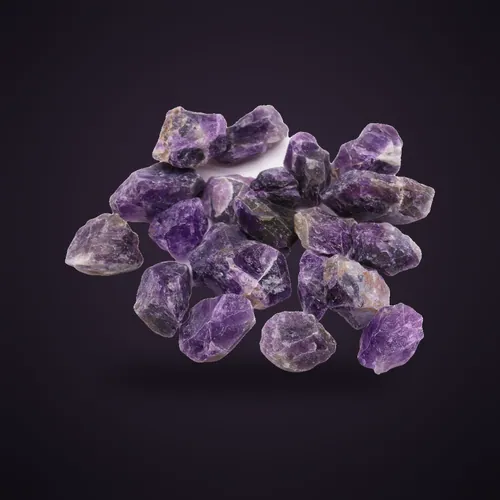
Amethyst, rose quartz, citrine, fluorite, smoky quartz and kunzite can fade if left on a sunny windowsill for months. Keep them on shaded shelves and give them sunlight only in short spells.
Traditional cleansing methods
Moonlight
Setting crystals on a windowsill or in the garden overnight at full moon is one of the most popular modern customs. It suits every stone, so long as rain and frost cannot reach the water-sensitive ones.
Smoke
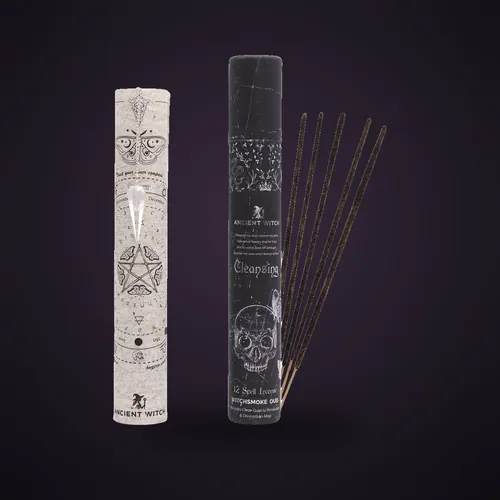
Passing a stone through incense or herb smoke is an old ritual gesture. Ventilate the room and keep the flame on a heat-proof dish.
Sound
Ringing a singing bowl, tingsha bells or a tuning fork beside your stones is safe for even the softest pieces.
Selenite and quartz
In modern tradition, resting stones on a selenite plate or a quartz cluster overnight is said to refresh them.
Earth and salt
Burying stones or bedding them in dry salt are older customs. Salt can pit soft stones and corrode metal settings, so most collectors now avoid it.
Stones that need extra care
Amethyst
Fades in strong sunlight, so keep it out of bright windows.
Rose quartz
Its colour can fade in direct sun.
Black tourmaline
Brittle along its length, so handle with care.
Selenite
Very soft (Mohs 2) and dissolves in water. Never wash it; dust it with a dry cloth.
Obsidian
Edges can be sharp, and it chips if dropped.
Labradorite
Avoid knocks. Wipe with a soft cloth.
Moonstone
Fairly soft. Store it apart from harder stones.
Lapis lazuli
Soft and porous. Keep it away from water and oils.
Hematite
Can rust if left wet, so dry it at once.
Fluorite
Soft (Mohs 4) and fades in sun.
Malachite
Do not wash it or grind it. Its dust should not be breathed in. Wash your hands after handling raw pieces.
Storage and display
Wrap stones individually or use a divided box so they cannot scratch each other. Stand points upright, and give spheres a stand so they cannot roll. Dust displays weekly, keep heavy pieces on low shelves, and keep small stones away from young children and pets. UK delivery is £3.95, free on orders over £40, and usually takes 2–5 working days.
A care routine you can keep
A little often beats a big clean twice a year.
- Weekly: dust display pieces with a soft brush.
- Monthly: wash hard, non-porous stones (quartz, agate, jasper) in lukewarm water with a drop of washing-up liquid; dry with a towel.
- After a full moon: many people re-cleanse stones by moonlight, which costs nothing and harms no stone.
- Yearly: check jewellery cords, glue and clasps.
Quick list: keep these out of water
These are soft, porous or water-soluble:
- Selenite and satin spar
- Celestite and angelite
- Malachite and chrysocolla
- Lepidolite and mica
- Howlite and turquoise
- Calcite (brief rinse only, then dry)
- Pyrite (can rust)
- Hematite (can rust)
Quick list: these fade in sunlight
- Amethyst
- Rose quartz
- Citrine (natural)
- Fluorite
- Celestite
- Kunzite and aventurine (in long exposure)
Children and pets
Small stones and chips are choking hazards. Keep tumbled stones in a lidded box and supervise children. Do not put stones in pet water bowls or fish tanks, and never make drinks with stones; even 'safe' stones can carry dust or dye.
Moving house with crystals
Wrap each piece in paper or a sock, pack clusters upright with padding, and label the box fragile. Spheres travel best in their own box.
Myths to ignore
You may read that crystals need to be 'charged' daily, that salt water is a safe cleanse for any stone, or that sunlight is always good. In fact salt can pit soft and porous stones, sunlight fades many colours, and how often you cleanse is entirely up to you. Gentle physical cleaning and careful storage keep stones looking good for decades.
Displaying crystals well
Group stones by colour or size on a tray, use small stands for spheres and points, and keep fragile clusters at the back of a shelf. A glass dome or cabinet keeps dust off soft stones such as selenite and celestite.
A note on safety
Some minerals contain copper, lead or arsenic. Never make drinks with stones.
Hardness and water: a quick chart
Mohs hardness from 1 (talc) to 10 (diamond). Anything below about 5 scratches easily; stones marked 'no' should be kept dry.
| Stone | Mohs | Water |
|---|---|---|
| Amber | 2–2.5 | Brief rinse is fine |
| Ametrine | 7 | Brief rinse is fine |
| Angelite | 3.5 | No: keep dry |
| Apatite | 5 | Brief rinse is fine |
| Aquamarine | 7.5–8 | Brief rinse is fine |
| Bloodstone | 6.5–7 | Brief rinse is fine |
| Blue lace agate | 6.5–7 | Brief rinse is fine |
| Calcite | 3 | No: keep dry |
| Celestite | 3–3.5 | No: keep dry |
| Chrysocolla | 2–4 (harder when quartz-rich) | No: keep dry |
| Dalmatian jasper | 6.5–7 | Brief rinse is fine |
| Emerald | 7.5–8 | No: keep dry |
| Garnet | 6.5–7.5 | Brief rinse is fine |
| Howlite | 3.5 | No: keep dry |
| Kyanite | 4.5–5 along the blade, 6.5–7 across it | Brief rinse is fine |
| Larimar | 4.5–5 | Brief rinse is fine |
| Lepidolite | 2.5–3 | No: keep dry |
| Malachite | 3.5–4 | No: keep dry |
| Onyx | 6.5–7 | Brief rinse is fine |
| Opal | 5.5–6.5 | Brief rinse is fine |
| Peridot | 6.5–7 | Brief rinse is fine |
| Rhodonite | 5.5–6.5 | Brief rinse is fine |
| Ruby | 9 | Brief rinse is fine |
| Shungite | 3.5–4 | Brief rinse is fine |
| Sunstone | 6–6.5 | Brief rinse is fine |
| Turquoise | 5–6 | No: keep dry |
| Agate | 6.5–7 | Brief rinse is fine |
| Jasper | 6.5–7 | Brief rinse is fine |
| Obsidian | 5–5.5 | Brief rinse is fine |
| Snowflake obsidian | 5–5.5 | Brief rinse is fine |
| Lavender jade | 6–7 | Brief rinse is fine |
| Pyrite | 6–6.5 | No: keep dry |
| Chevron amethyst | 7 | Brief rinse is fine |
| Blue aventurine | 6.5–7 | Brief rinse is fine |
| Green fluorite | 4 | Brief rinse is fine |
| Yellow jade | 6–7 (true jade); softer for serpentine | Brief rinse is fine |
Words worth knowing
- Cleansing: a ritual 'refresh' of a stone's energy, in crystal tradition.
- Charging: leaving a stone in moonlight or sunlight to restore it, in tradition.
- Porous: having tiny holes that absorb liquid.
Shop this guide


Questions answered
How often should I cleanse my crystals?
There is no rule. Many people cleanse at each full moon, or whenever a stone feels 'heavy' to them.
Can I put selenite in water?
No. Selenite is a soft form of gypsum and pits or dissolves in water. Dust it with a dry cloth.
Will sunlight damage my crystals?
Some coloured stones, such as amethyst, rose quartz and fluorite, can fade with long exposure.
Is salt safe for cleansing crystals?
Salt can scratch or damage soft and porous stones. Moonlight or sound are gentler choices.
Do I need special tools for Crystal Care?
No. A soft cloth, a soft brush and a stand or box are enough.
Ask Starseed
Try: