
Home / Crystal meanings / Turquoise
Crystal meanings
Turquoise: meaning, traditions and care
Turquoise is a copper and aluminium phosphate; much turquoise sold is stabilised, dyed or imitation, usually sky blue to green, often with a dark web of matrix. In modern crystal tradition it is linked with protection and travel. At 5–6 on the Mohs scale it is hard enough for everyday handling and jewellery.
Key facts
| Turquoise | |
|---|---|
| What it is | A copper and aluminium phosphate; much turquoise sold is stabilised, dyed or imitation |
| Colour | Sky blue to green, often with a dark web of matrix |
| Hardness (Mohs) | 5–6 |
| Typical sources | Iran, the south-west USA, China and Egypt |
| Chakra (tradition) | Throat |
| Star signs (tradition) | Sagittarius, Scorpio and Pisces |
| Birthstone | December |
History and folklore
- The name comes from the French for 'Turkish', because it reached Europe through Turkish traders.
- It has been used for thousands of years in Egypt, Persia and by Native American peoples, and is the birthstone for December.
Traditional meaning
In modern crystal tradition turquoise is associated with protection and travel; December birthstone. These ideas mostly come from twentieth-century crystal books, built on older folklore. We share them as tradition and for personal meaning, not as health or medical claims.
Zodiac and chakra associations
Crystal writers link turquoise with Sagittarius, Scorpio and Pisces, and with the throat chakra. Lists differ between books, so treat these as starting points.
How to care for turquoise
Turquoise is porous and can change colour with skin oils, perfume and water. Put jewellery on last, wipe it with a dry soft cloth and store it away from light.
Store it in a soft pouch or a lined box, apart from harder stones such as quartz, which could scratch it.
Choosing turquoise
- Look for even colour that suits you; natural turquoise varies from piece to piece.
- Ask whether a piece is dyed, treated or reconstituted. Honest sellers say so.
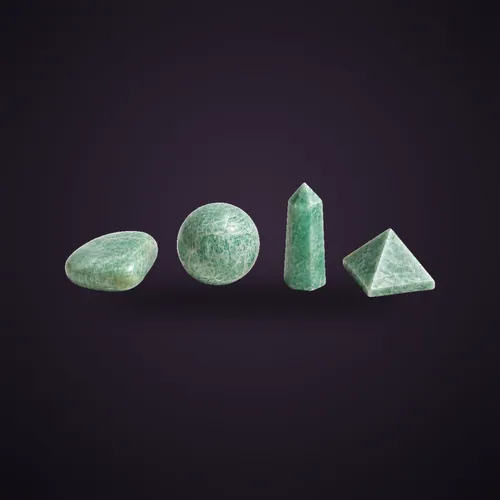
- Pick tumbled stones for carrying, larger pieces for display and set jewellery for wearing.
Good companions
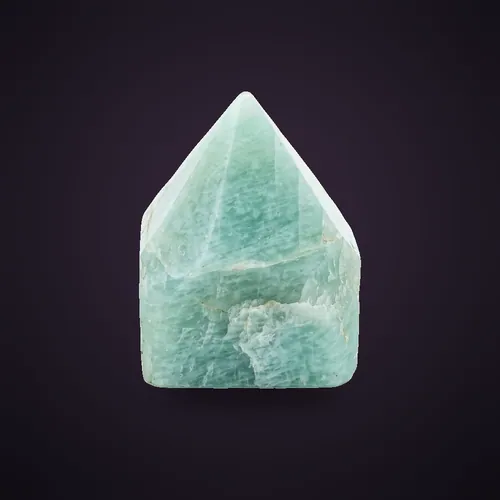
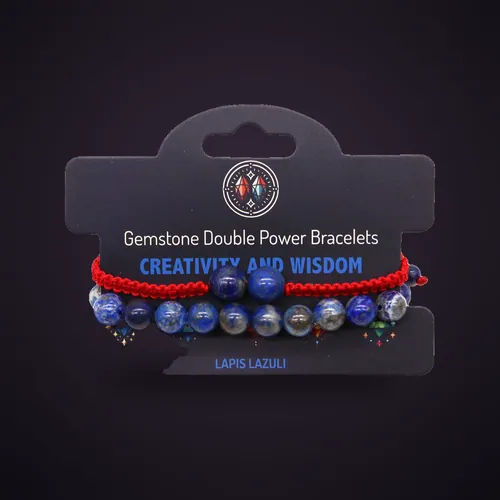
Turquoise is often paired with Amazonite, Chrysocolla and Lapis lazuli.
Shop turquoise



Questions answered
What is turquoise?
Turquoise is a copper and aluminium phosphate; much turquoise sold is stabilised, dyed or imitation. It is usually sky blue to green, often with a dark web of matrix.
What does turquoise mean?
In modern crystal tradition it is linked with protection and travel; December birthstone. This is tradition and belief, not a health claim.
Can turquoise go in water?
Best not. Turquoise is porous and can change colour with skin oils, perfume and water.
Which star signs is turquoise linked with?
Sagittarius, Scorpio and Pisces, in modern crystal tradition.
Where does turquoise come from?
Mainly Iran, the south-west USA, China and Egypt.
Can Turquoise go in the sun?
It is best kept out of strong sun: turquoise can fade, dry out or lose its lustre in direct sunlight over time. A short morning hour on a windowsill is unlikely to harm it, but don't leave it on a sunny sill for weeks. Many people use moonlight instead, which suits every stone. See the full moon calendar for the next date.
How do you cleanse Turquoise?
You can cleanse turquoise with the smoke of incense or a herb bundle, the sound of a singing bowl or bell, a night under the moon and a few hours on a selenite plate. In crystal tradition cleansing clears what a stone has 'soaked up'; practically, it is a gentle routine and a good moment to dust it. Skip water and salt for this stone.
How do you charge Turquoise?
The most common way to charge turquoise is to leave it out overnight under a full moon, then hold it and set an intention. Tradition also uses a selenite plate or a clear quartz cluster, rather than sunlight, because this stone can fade. Charging is a belief-based practice, so choose whatever feels meaningful to you.
Can Turquoise go in salt?
No, salt is best avoided for turquoise. At 5–6 on the Mohs scale salt grains can scratch, pit or draw moisture into it. Use smoke, sound or moonlight instead. Our crystal care guide lists safe methods for each stone. A selenite plate is a simple salt-free alternative.
What chakra is Turquoise for?
In modern crystal tradition turquoise is linked with the throat chakra. Its colour (sky blue to green) is part of the reason, because chakra systems match stones by colour. To work with it, many people place it on the body during a short meditation or keep it nearby while they rest.
What zodiac sign is Turquoise good for?
Crystal writers most often link turquoise with Sagittarius, Scorpio and Pisces. You can see how it sits with the other stones on our Scorpio crystals page. These links are modern tradition, not ancient rules, so anyone can enjoy turquoise whatever their sign.
What crystals go well with Turquoise?
Turquoise is most often paired with Amazonite, Chrysocolla and Lapis Lazuli. In crystal tradition the pairing works because the stones share a chakra or balance each other's themes, such as calm with energy or grounding with clarity. Keep softer stones in a separate pouch so harder ones don't scratch them.
Can you put Turquoise and Amazonite together?
Yes, turquoise and amazonite are a classic pairing in crystal tradition. Turquoise is linked with the throat chakra and amazonite with the throat and heart, so together they are used to blend two different themes. Store them apart, because turquoise is softer and can scratch.
Can you put Turquoise and Chrysocolla together?
Yes, turquoise and chrysocolla are a classic pairing in crystal tradition. Turquoise is linked with the throat chakra and chrysocolla with the throat and heart, so together they are used to blend two different themes. Store them apart, because chrysocolla is softer and can scratch.
Can you put Turquoise and Lapis Lazuli together?
Yes, turquoise and lapis lazuli are a classic pairing in crystal tradition. Turquoise is linked with the throat chakra and lapis lazuli with the throat and third eye, so together they are used to blend and strengthen one shared theme. Store them apart, because lapis lazuli is softer and can scratch.
Where should I put Turquoise in my home?
A good spot for turquoise is on a desk, bookshelf or anywhere you write, call or speak, in line with its link to expression. Keep it away from a sunny windowsill so the colour lasts. Avoid bathrooms and kitchens, where steam and splashes can damage it. Feng shui and crystal placement are traditions, so trust where it feels right.
Can you wear Turquoise every day?
It is better for occasional wear: turquoise is soft and scratches easily. It measures 5–6 on the Mohs scale, where quartz is 7 and household dust (which contains quartz) is about 7 too. Put it on after perfume and lotions, and take it off for washing up, the gym and sleep.
Is Turquoise safe for crystal water?
No, turquoise should never be put straight into drinking water. It contains copper minerals that can leach into water. Instead, use a bottle with a sealed crystal chamber, or stand a sealed glass beside the stone. See our crystal water bottles and how to use them.
How can you tell if Turquoise is real?
Much 'turquoise' is dyed howlite or magnesite; a cotton bud with a little acetone on a hidden spot often lifts dye from fakes. Buying from a seller who names the stone, its origin and any treatment is the simplest safeguard.
What is Turquoise made of?
Turquoise is a copper and aluminium phosphate; much turquoise sold is stabilised, dyed or imitation. It is usually sky blue to green, often with a dark web of matrix, and it measures 5–6 on the Mohs hardness scale. Knowing what a stone is made of tells you how to care for it: this one should be kept dry.
Is Turquoise good for beginners?
It can be, as long as you know turquoise needs gentle care. Many beginners start with stones they find beautiful, then add clear quartz, which crystal tradition calls the all-purpose stone. Keep it in a soft pouch and away from water.
Key facts (summary)
- Turquoise is a copper and aluminium phosphate; much turquoise sold is stabilised, dyed or imitation, usually sky blue to green, often with a dark web of matrix.
- What it is: A copper and aluminium phosphate; much turquoise sold is stabilised, dyed or imitation
- Colour: Sky blue to green, often with a dark web of matrix
- Hardness (Mohs): 5–6
- Typical sources: Iran, the south-west USA, China and Egypt
- Chakra (tradition): Throat
Ask Starseed
Try: