Home / Guides / A Beginner's Guide to Crystals
Guide
A Beginner's Guide to Crystals
Crystals are natural minerals that people have collected, carried and treasured for thousands of years. To start, you need only one or two stones that you like the look and feel of. Learn a little of each stone's traditional meaning, look after it according to its hardness, and let your collection grow slowly. This guide explains what crystals are, the popular stones and their folklore, how to choose and use them, and how to buy well.
What is a crystal?
Minerals, rocks and crystals
Strictly, a crystal is a solid whose atoms sit in a regular, repeating pattern. Quartz, fluorite and selenite are true crystals. In shops and everyday speech, the word 'crystals' also covers rocks such as lapis lazuli, natural glass such as obsidian, and organic gems such as amber. Knowing what you hold tells you how to care for it.
Hardness and the Mohs scale
Geologists rate hardness from 1 (talc) to 10 (diamond). Quartz is 7 and scratches glass. Selenite is about 2, so a fingernail can mark it. Hardness tells you whether a stone can go in water, in a pocket with keys, or beside other stones.
Raw, tumbled and shaped
Raw pieces are as they came from the ground. Tumbled stones are rolled with grit until smooth. Points, spheres, obelisks and figures are cut and polished. Each is equally real; the shape is a matter of taste and use.
Popular crystals and their traditions
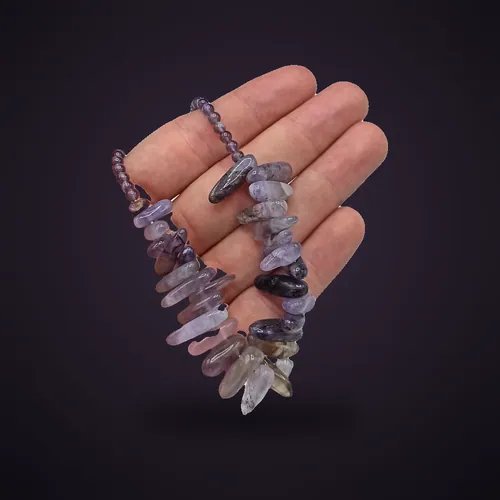
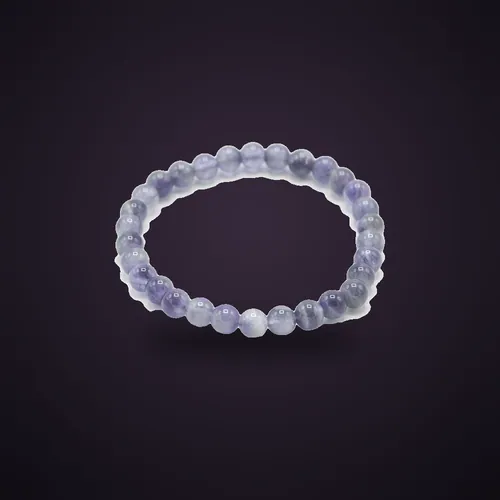
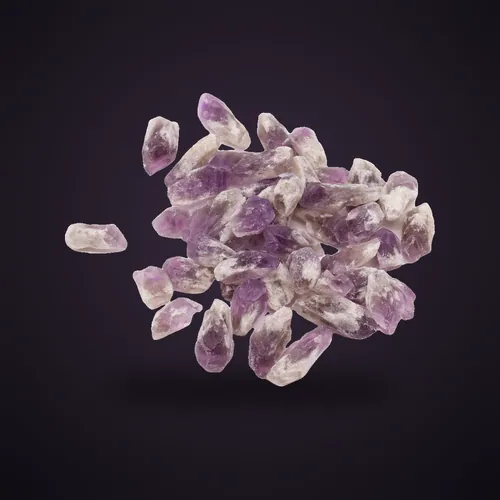
Amethyst (purple quartz)
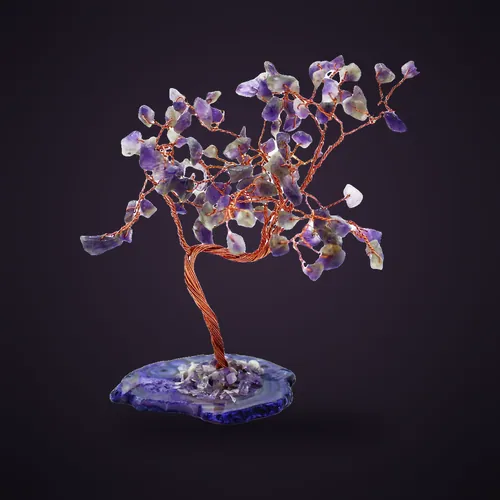
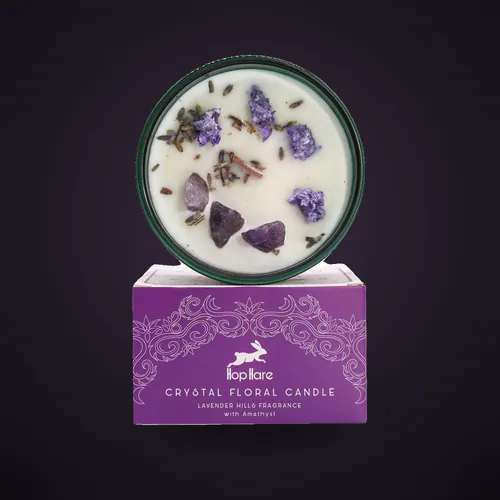
Traditionally kept by the bed or on a desk as a calming, reflective stone. Its name comes from the Greek amethystos, 'not drunk', from an old belief that it guarded against drunkenness. Care: Fades in strong sunlight, so keep it out of bright windows.
Clear quartz (colourless quartz)
Often called the 'master' stone in modern crystal tradition, used as an all-purpose piece and in crystal grids. Care: Hardy (Mohs 7). Rinse in water and dry well.
Rose quartz (pink quartz)
Linked in modern tradition with love, friendship and self-kindness, which makes it one of the most popular gift stones. Care: Its colour can fade in direct sun.
Citrine (yellow to orange quartz)
Called the 'merchant's stone' in folk tradition, kept near tills and cash boxes for prosperity. Much citrine sold today is heat-treated amethyst, which is a normal part of the trade. Care: Keep out of strong sun.
Black tourmaline (black schorl)
Traditionally placed by doorways and windows as a protective stone, and a favourite in witchy and gothic collections. Care: Brittle along its length, so handle with care.
Selenite (a form of gypsum)
Named after Selene, the Greek moon goddess. Used in modern tradition to 'cleanse' other crystals, often as plates, wands and bowls. Care: Very soft (Mohs 2) and dissolves in water. Never wash it; dust it with a dry cloth.
Obsidian (volcanic glass)
A mirror-black stone with a long history as scrying mirrors and blades. In modern tradition it is a grounding, protective stone. Care: Edges can be sharp, and it chips if dropped.
Labradorite (feldspar)
Prized for its flash of blue and green, called labradorescence. In tradition it is a stone of magic and intuition. Care: Avoid knocks. Wipe with a soft cloth.
Moonstone (feldspar)
Long tied to the moon, travel and the feminine in many cultures. A natural partner for moon rituals. Care: Fairly soft. Store it apart from harder stones.
Carnelian (orange chalcedony)
Worn as seals and amulets since ancient Egypt and Rome. In modern tradition it is a stone of courage and motivation. Care: Hardy. Rinse and dry.
Tiger's eye (chatoyant quartz)
Its silky band of light gave it a role as a watchful 'eye' amulet. Today it is often kept for confidence. Care: Hardy. Rinse and dry.
Smoky quartz (brown to grey quartz)
A grounding stone in modern tradition, and Scotland's national gem as cairngorm. Care: Keep out of strong sun.
How to choose your first crystal
Many people simply choose the stone they keep coming back to. Others choose by tradition, such as amethyst for a calm bedroom shelf or citrine for a desk, or by birthstone or star sign. Tumbled stones are cheap, tough and good for carrying. A larger point or cluster makes a centrepiece. If you are buying for a child, choose tough stones and avoid small pieces for under-threes. Every natural stone differs slightly in colour and pattern, which is part of the charm.
Ways people use crystals
On a shelf or altar
The simplest use is to place a stone where you will see it each day, as a reminder of an intention.
Carried or worn
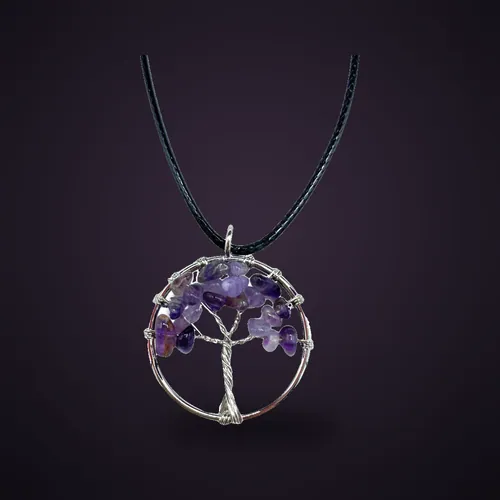
Pocket stones and pendants are a traditional way to keep a stone close.
Crystal grids
Stones are laid in a geometric pattern around a centre stone, often clear quartz, to focus an intention.
Meditation
Holding a stone gives your hands something to rest on and your attention something to come back to.
Buying crystals well
Ask what the stone is and whether it has been treated. Heat-treated citrine and dyed agate are common and fine when labelled. Very low prices for rare stones are a warning sign. Store stones apart so harder ones do not scratch softer ones. UK delivery is £3.95, free on orders over £40, and usually takes 2–5 working days.
A starter set of five
Clear quartz, amethyst, rose quartz, black tourmaline and citrine cover the colours and traditions most people start with.
Building a collection over time
Start with three or four stones, live with them for a few weeks, and add one at a time. Keep a notebook of where and when you bought each piece.
Twelve good first stones
| Stone | Traditionally linked with |
|---|---|
| Clear quartz | clarity and amplifying intention; the 'master' stone |
| Amethyst | calm, clear thinking and restful sleep; the Greek name means 'not drunk' |
| Rose quartz | love, kindness and self-care, the 'love stone' |
| Citrine | sunshine, abundance and optimism, the 'merchant's stone' |
| Black tourmaline | protection and grounding; often placed by doors |
| Smoky quartz | grounding and letting go |
| Carnelian | courage, creativity and get-up-and-go |
| Tiger's eye | courage and confidence; a Roman soldier's charm |
| Sodalite | logic, calm and truthful speech |
| Green aventurine | luck and opportunity, the 'gambler's stone' |
| Moonstone | the moon, intuition and new beginnings; June birthstone |
| Selenite | light and cleansing other crystals; avoid water |
Words worth knowing
- Crystal: a solid whose atoms are arranged in a regular, repeating pattern.
- Mineral: a naturally formed crystalline substance.
- Rock: a mix of minerals.
Shop this guide
Questions answered
Do crystals have healing powers?
Crystal healing is a belief and a tradition, not a medical treatment. Enjoy crystals for their beauty and the meaning you give them, and see a doctor for any health concern.
What is the best crystal for beginners?
Clear quartz, amethyst and rose quartz: affordable, easy to find and hardy.
Can crystals go in water?
Hard stones such as quartz can be rinsed. Soft or porous stones such as selenite, malachite and lapis lazuli should stay dry.
How many crystals do I need?
One is enough to start. Add stones slowly as you learn about them.
Are your crystals natural?
Each product page describes the stone. Natural stones vary in colour, size and markings.
Does the Beginner's Guide to Crystals make any health claims?
No. We describe spiritual and traditional uses as tradition and belief, never as health, medical or financial advice. For any health concern, speak to a qualified professional.
Ask Starseed
Try: