Home / Crystal meanings / Black Tourmaline
Crystal meanings
Black Tourmaline
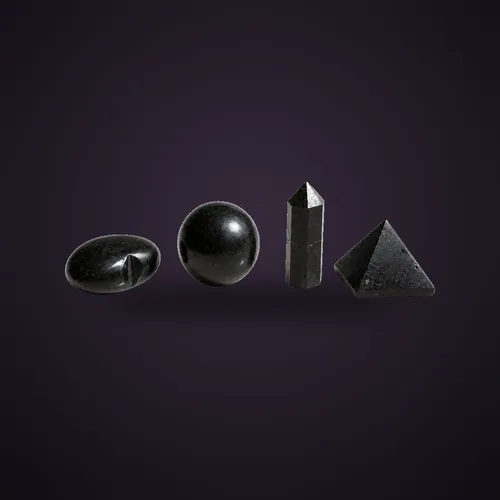
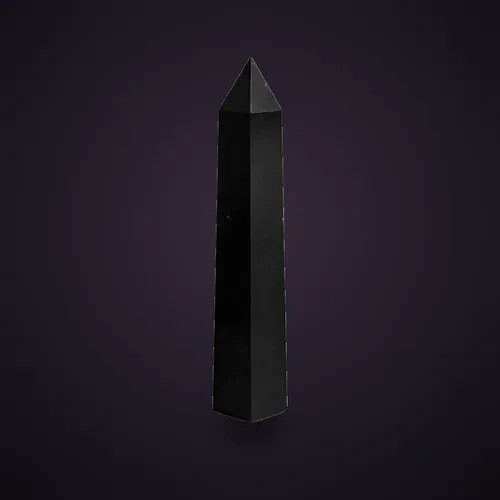
Black Tourmaline is schorl, the most common tourmaline, usually jet black with striated sides. Black tourmaline is one of the stones most often placed by a front door or on a desk in modern protection traditions.
Key facts
| Colour | jet black with striated sides |
|---|---|
| What it is | schorl, the most common tourmaline |
| Hardness (Mohs) | 7–7.5 |
| Typical sources | Brazil, Pakistan and Madagascar |
| Chakra (tradition) | root |
| Star signs (tradition) | Capricorn and Scorpio |
Traditions and folklore
Black tourmaline is one of the stones most often placed by a front door or on a desk in modern protection traditions.
Tourmaline becomes electrically charged when heated or squeezed, a property Dutch traders used to pull ash from pipes.
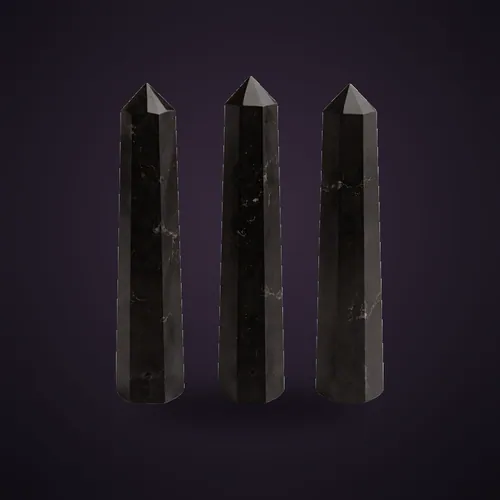
Its long crystals have deep vertical grooves called striations.
Often paired with smoky quartz or selenite.
Care
Wipe with a soft, slightly damp cloth and dry it straight away; avoid soaps, salt and long soaks.
Natural mineral (schorl).
Shop black tourmaline (3 pieces, 3 in stock)
Black Tourmaline: questions answered
What is Black Tourmaline?
Black Tourmaline is schorl, the most common tourmaline. It is usually jet black with striated sides.
What is Black Tourmaline traditionally associated with?
Black tourmaline is one of the stones most often placed by a front door or on a desk in modern protection traditions. These are traditional and spiritual associations, not health claims.
How do I care for Black Tourmaline?
Wipe with a soft, slightly damp cloth and dry it straight away; avoid soaps, salt and long soaks.
Which star signs is Black Tourmaline linked with?
In modern crystal tradition black tourmaline is linked with Capricorn and Scorpio.
Where does Black Tourmaline come from?
It is typically sourced from Brazil, Pakistan and Madagascar.