Home / Guides / Lughnasadh (Lammas): History, Traditions and Ways to Celebrate
Guide
Lughnasadh (Lammas): History, Traditions and Ways to Celebrate
Lughnasadh (Lammas) falls on 1 August. The first harvest, named for the Irish god Lugh. This guide covers where Lughnasadh comes from, its folklore, simple ways to celebrate at home or outdoors in the UK, and what to put on your altar.
History and meaning
The first harvest, named for the Irish god Lugh. Lammas, 'loaf mass', saw bread from the new grain blessed in church. Hilltop gatherings and fairs mark it in Ireland. As with every sabbat, modern practice blends genuine old custom with 20th-century revival, and both are part of a living tradition.
Customs in Britain and Ireland
Customs around Lughnasadh vary by region, family and path. Look for local fairs, church festivals and folk customs near you; our town guides list heritage sites and seasonal events across the UK. Many old customs were practical, marking the farming year, the movement of animals or the turn of the light, and their meanings grew around that work.
Ways to celebrate
At home
Bake bread, make a corn dolly, give thanks for what you have gathered this year.
Outdoors
Walk somewhere that shows the season, such as a hill at sunrise, a wood or a stone circle. Leave nothing behind but footprints.
With others
Share food, tell stories or join an open celebration. Many Druid and pagan groups hold public rites.
Journaling
Write what this season means to you, what you want to release and what you hope to grow before Mabon.
Altar ideas and colours
Traditional altar items include orange and gold candles, tiger's eye, carnelian, frankincense. Add what you find outside: leaves, flowers, seeds or stones. Keep candles on a heat-proof plate, away from anything that could catch, and never leave them alone.
Folklore
Lugh is said to have held funeral games for his foster-mother Tailtiu, which became the Óenach Tailten fair. The pilgrimage up Croagh Patrick in Ireland on the last Sunday of July echoes old hilltop gatherings. Corn dollies held the spirit of the last sheaf until spring.
Food and drink
Fresh bread from new flour, bilberries, blackberries and early apples. Bilberry Sunday, gathering wild bilberries on hilltops, is an Irish custom of the season.
Nature at this time
Fields are golden and harvest is under way. Swifts leave for Africa, and the evenings start to shorten.
The sky at Lughnasadh
On 1 August 2027: In London the sun rises at about 05:23 and sets at about 20:51. In Cardiff the sun rises at about 05:35 and sets at about 21:03. In Edinburgh the sun rises at about 05:15 and sets at about 21:23. In Belfast the sun rises at about 05:33 and sets at about 21:27. The nearest new moon is on 2 August 2027. Times are calculated and approximate, in UK clock time.
Reflection prompts
Looking back
What has this last season given you, and what are you ready to let go?
Looking forward
What would you like to have grown by Mabon?
Gratitude
Name three things from the natural world you noticed this week.
Where it sits on the Wheel
Lughnasadh (Lammas) comes after Litha and before Mabon. The Wheel of the Year guide covers all eight festivals. UK delivery is £3.95, free on orders over £40, and usually takes 2–5 working days.
Lughnasadh dates for 2026, 2027 and 2028
Solstice and equinox times are calculated with astronomy-engine for UK clock time. The cross-quarter festivals are kept on their fixed calendar dates by most people, though some prefer the astronomical midpoint, a few days later.
| Year | Date | Notes |
|---|---|---|
| 2026 | 1 August 2026 | Fixed calendar date (cross-quarter day) |
| 2027 | 1 August 2027 | Fixed calendar date (cross-quarter day) |
| 2028 | 1 August 2028 | Fixed calendar date (cross-quarter day) |
Lughnasadh on a budget
Bake a loaf. That is the heart of Lammas, the 'loaf mass', when the first bread from the new harvest was taken to church. Add blackberries, early apples and a candle, and your table is ready.
Ideas for families
- Bake bread together and shape it into a figure or wheat sheaf.
- Go blackberry picking (traditionally before Michaelmas on 29 September).
- Make a corn dolly from straw or paper.
- Watch for Perseid meteors in the second week of August.
After Lughnasadh
The first of three harvest festivals is done. Save some seeds from the garden or a few grains for next year's sowing.
Sunrise and sunset across the UK on Lughnasadh, 1 August 2027
Calculated with astronomy-engine for each city, in UK clock time. Day length grows the further north you go in summer and shrinks in winter.
| City | Sunrise | Sunset | Daylight |
|---|---|---|---|
| London | 05:23 | 20:48 | 15h 25m |
| Cardiff | 05:36 | 21:01 | 15h 25m |
| Birmingham | 05:26 | 20:59 | 15h 33m |
| Manchester | 05:24 | 21:05 | 15h 41m |
| Belfast | 05:33 | 21:25 | 15h 51m |
| Edinburgh | 05:16 | 21:20 | 16h 4m |
| Inverness | 05:12 | 21:32 | 16h 20m |
The moon on the day
- 1 August 2027: waning crescent, 0% lit.
- 1 August 2028: waxing gibbous, 89% lit.
Crystals, herbs and colours for Lughnasadh
- Citrine: sunshine, abundance and optimism, the 'merchant's stone'
- Peridot: olive to lime green
- Tiger's eye: courage and confidence; a Roman soldier's charm
- Carnelian: courage, creativity and get-up-and-go
- Green aventurine: luck and opportunity, the 'gambler's stone'
- Herbs and scents: sandalwood, wheat and barley, frankincense.
- Colours: gold, orange and green.
Seasonal pieces from the shop
Real pieces in stock today, with current prices. Each product page lists size, materials and what is included.
- Celestial Energy Atlas Oracle Cards - Spiritual Deck: £3.20.
- Manifest Magic Candles (pack of 12) - Violet - Crown Chakra: £1.72.
- Manifest Magic Candles (pack of 12) - Indigo - Third Eye Chakra: £1.72.
- Esoteric Fringed Altar Cloth - Moon & Sun Chart: £4.00.
- Hop Hare Crystal Magic Flower Candle - The Moon: £11.96.
- Ancient Witch Ritual Water - Fountain of Youth: £6.40.
- Magic Spell Candle - Protection: £11.20.
- Magic Spell Candle - Prosperity: £11.20.
Words worth knowing
- Wheel of the Year: the modern pagan cycle of eight seasonal festivals, popularised in Britain in the 1950s and 60s.
- Sabbat: one of those eight festivals.
- Quarter day: a solstice or equinox, fixed by the sun.
- Cross-quarter day: a festival roughly halfway between a solstice and an equinox: Imbolc, Beltane, Lughnasadh and Samhain.
- Esbat: a full moon gathering or ritual, as opposed to a sabbat.
- Altar: a surface set aside for seasonal and ritual objects.
Shop this guide

Questions answered
When is Lughnasadh?
1 August.
How is Lughnasadh celebrated?
Bake bread, make a corn dolly, give thanks for what you have gathered this year.
What colours are used for Lughnasadh?
Common choices include orange and gold candles.
Do I need special tools for Lughnasadh (Lammas)?
No. A candle, something seasonal and a quiet moment are enough.
When should I order for Lughnasadh (Lammas)?
Allow about five working days before the date. UK delivery is £3.95, free on orders over £40, and usually takes 2–5 working days.
Is Lughnasadh a pagan festival?
Lughnasadh is one of the eight festivals of the modern pagan Wheel of the Year, marking the first harvest and Lugh's games. Some of its customs are old folk traditions in Britain and Ireland; the name and the eight-festival cycle in its current form date from the 20th century.
How can I celebrate Lughnasadh on my own?
Light a candle, go for a walk to notice the season, cook something seasonal and write a few lines about what Lughnasadh means to you this year. Solitary celebration is completely normal in modern paganism.
What food is eaten at Lughnasadh?
Traditional and seasonal choices include fresh bread, berries, cider and the first apples.
Can children join in with Lughnasadh?
Yes. Crafts, seasonal walks, baking and decorating are all easy ways to include children. Keep candles and fires supervised.
What crystals are used for Lughnasadh (Lammas)?
Popular crystals for Lughnasadh (Lammas) are citrine, tiger's eye and carnelian. They are chosen for colours and themes that match the season in modern Pagan practice. Place them on your altar or carry one through the festival. Browse our crystals.
What incense is used for Lughnasadh (Lammas)?
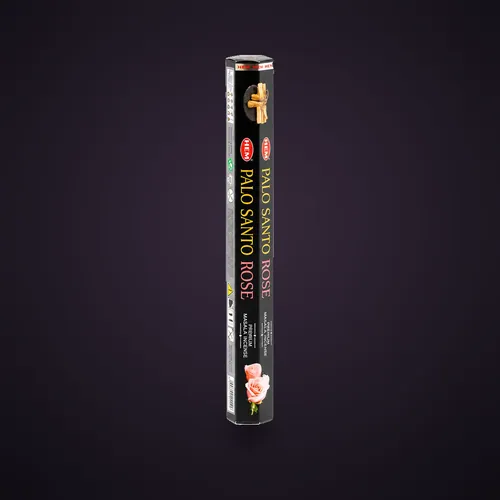
Traditional scents for Lughnasadh (Lammas) include frankincense, sandalwood and rosemary. Burn one stick or a little resin while you light a candle or set up your altar. Keep the room ventilated and never leave incense unattended. See our incense. These are traditions rather than rules, so use what you love.
What food is traditional for Lughnasadh (Lammas)?
Seasonal food for Lughnasadh (Lammas) includes fresh bread, berries, apples and the first grain. Sharing a meal made from what is in season is one of the simplest ways to mark any festival on the Wheel of the Year. Setting a small portion aside as an offering is a common custom.
Where is Lughnasadh (Lammas) celebrated in the UK and Ireland?
Well-known places for Lughnasadh (Lammas) include Lammas fairs such as Exeter's, and Lughnasadh hill climbs like Croagh Patrick in Ireland. Many people also mark it quietly at home, in a garden or on a local hill. Check opening times and access rules before visiting any ancient site, and leave nothing behind.
Who is honoured at Lughnasadh (Lammas)?
Lughnasadh (Lammas) is traditionally linked with Lugh. Modern Pagans honour these figures in different ways, from lighting a candle to telling the old stories, and many people simply celebrate the season itself. There is no single correct practice. Read more on the Lughnasadh (Lammas) page.
Ask Starseed
Try: