Home / Crystal meanings / Jade
Crystal meanings
Jade
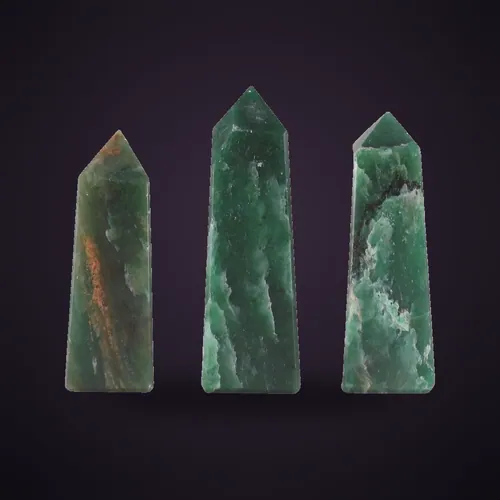
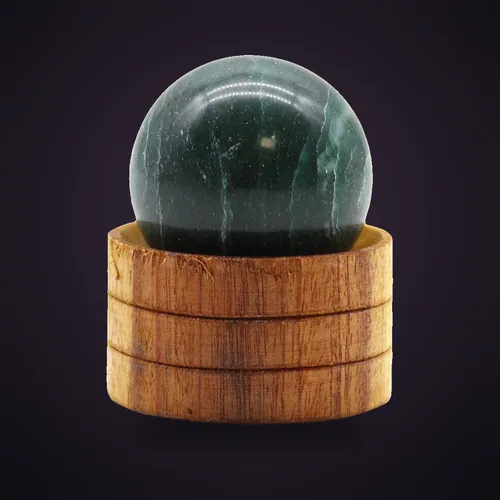
Jade is a name shared by two minerals, nephrite and jadeite (Indian jade is usually green aventurine-quartz), usually green, from pale to deep. Jade has been treasured in China for over 7,000 years as a symbol of virtue and good fortune.
Key facts
| Colour | green, from pale to deep |
|---|---|
| What it is | a name shared by two minerals, nephrite and jadeite (Indian jade is usually green aventurine-quartz) |
| Hardness (Mohs) | 6–7 |
| Typical sources | India (as sold here), China and Myanmar |
| Chakra (tradition) | heart |
| Star signs (tradition) | Taurus, Libra and Pisces |
Traditions and folklore
Jade has been treasured in China for over 7,000 years as a symbol of virtue and good fortune.
Confucius compared the qualities of jade to the virtues of a gentleman.
Often paired with rose quartz or clear quartz.
Care
Wipe with a soft, slightly damp cloth and dry it straight away; avoid soaps, salt and long soaks.
Natural stone; 'Indian jade' is usually a green aventurine-quartz rather than nephrite or jadeite.
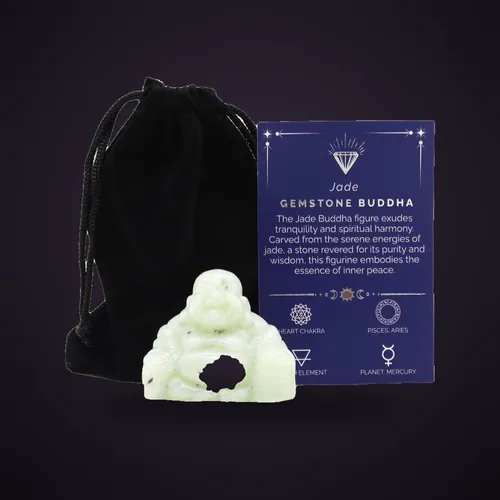
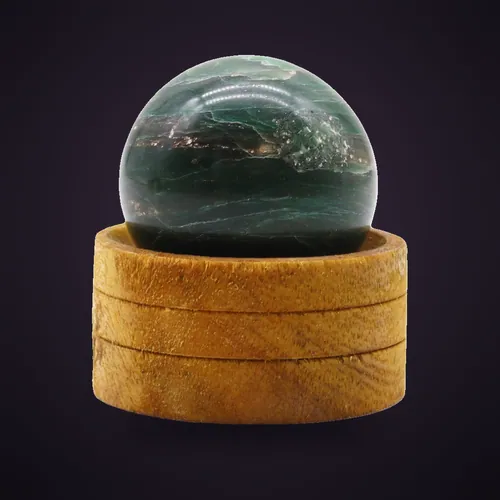
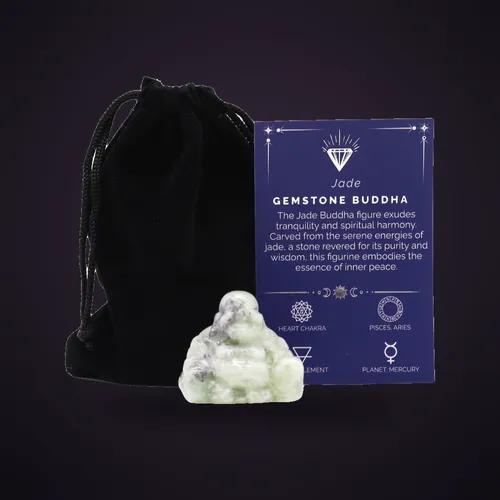
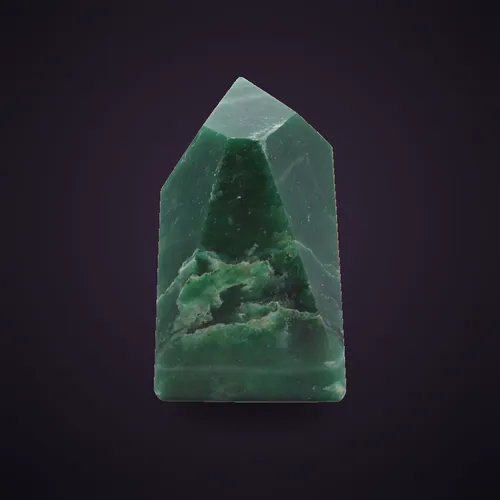
Shop jade (10 pieces, 10 in stock)
 Free UK delivery


Jade: questions answered
What is Jade?
Jade is a name shared by two minerals, nephrite and jadeite (Indian jade is usually green aventurine-quartz). It is usually green, from pale to deep.
What is Jade traditionally associated with?
Jade has been treasured in China for over 7,000 years as a symbol of virtue and good fortune. These are traditional and spiritual associations, not health claims.
How do I care for Jade?
Wipe with a soft, slightly damp cloth and dry it straight away; avoid soaps, salt and long soaks.
Which star signs is Jade linked with?
In modern crystal tradition jade is linked with Taurus, Libra and Pisces.
Where does Jade come from?
It is typically sourced from India (as sold here), China and Myanmar.